
Anfal 3: The Garmian Region Targeted
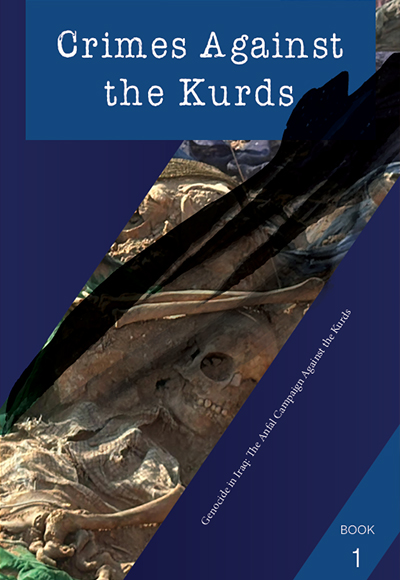
In the next phase of the Anfal Campaign, from 7 to 20 April 1988, the Garmian region east of Suleimanya became the focal point of Iraqi aggression. This campaign was marked by the disappearance of many women and children and the sinister use of deceit to lure civilians into traps.
Vivid Visuals of the Scenes
The Deceitful Amnesty
The campaign began with the Iraqi forces deploying psychological warfare. Through the loudspeakers of a mosque in Qader Karam from 10 to 12 April, an amnesty was announced, promising safety to those who surrendered. The announcement, echoing through the dusty streets and quiet fields, offered a glimmer of hope to the desperate villagers. Trusting in this false promise, many civilians—men, women, and children—made their way towards the Iraqi forces, only to find themselves trapped. Those who surrendered were detained, their hopes for safety cruelly dashed.
Chemical Attack on Tazashar
Among the many brutal tactics employed, Tazashar was the only village in the Garmian region attacked with chemical weapons. The serene village, with its modest homes and vibrant community life, was suddenly enveloped in a cloud of poison. The once-clear sky turned a sickly yellow-green as the toxic gas spread, leaving the villagers no chance to escape. The chemicals, seeping into homes and schools, claimed lives indiscriminately, turning a peaceful village into a scene of unimaginable horror.
The Bribes and Escapes
In the midst of the chaos, some civilians managed to escape the impending doom. They bribed Kurdish collaborators within the Iraqi Army, securing their passage to relative safety in Laylan or Shorsh. These fleeting moments of hope were rare, and the fear of betrayal was ever-present. For those who escaped, the journey was fraught with danger, but it was a chance to survive the relentless onslaught.
The Devastation of Garmian
Before the Anfal campaign, the Garmian region was predominantly rural, with over 600 villages dotting the landscape around the towns of Kifri, Kalar, and Darbandikhan. These villages, teeming with life and culture, were systematically targeted. The sounds of daily life—children playing, farmers working, and families gathering—were replaced by the cacophony of war: explosions, cries of despair, and the eerie silence that followed the chemical attacks.
Visualizing the Aftermath
The aftermath was a haunting tableau of destruction. Villages that once bustled with life were now ghost towns, their streets deserted and homes in ruins. The few survivors wandered aimlessly, searching for lost loved ones and a sense of normalcy in a landscape irrevocably altered by violence. The fields, which had once promised harvests, were now barren, scarred by craters and contaminated by chemicals.
Conclusion
The Anfal campaign in the Garmian region was characterized by deceit, brutality, and the indiscriminate targeting of civilians. The false amnesty, chemical attacks, and relentless assaults left an indelible mark on the Kurdish people. This phase of the campaign underscored the extremes to which Saddam Hussein’s regime would go to suppress resistance, turning promises of peace into instruments of death. The profound suffering endured by the Kurds during this period remains etched in their collective memory, a testament to their resilience and the enduring hope for justice and recognition.
Bron: Fragment uit het boek Crimes against the Kurds – Boek 1
Dit boek is verkrijgbaar via onze webshop
